Understanding Yield and Capital Growth in Property Investment
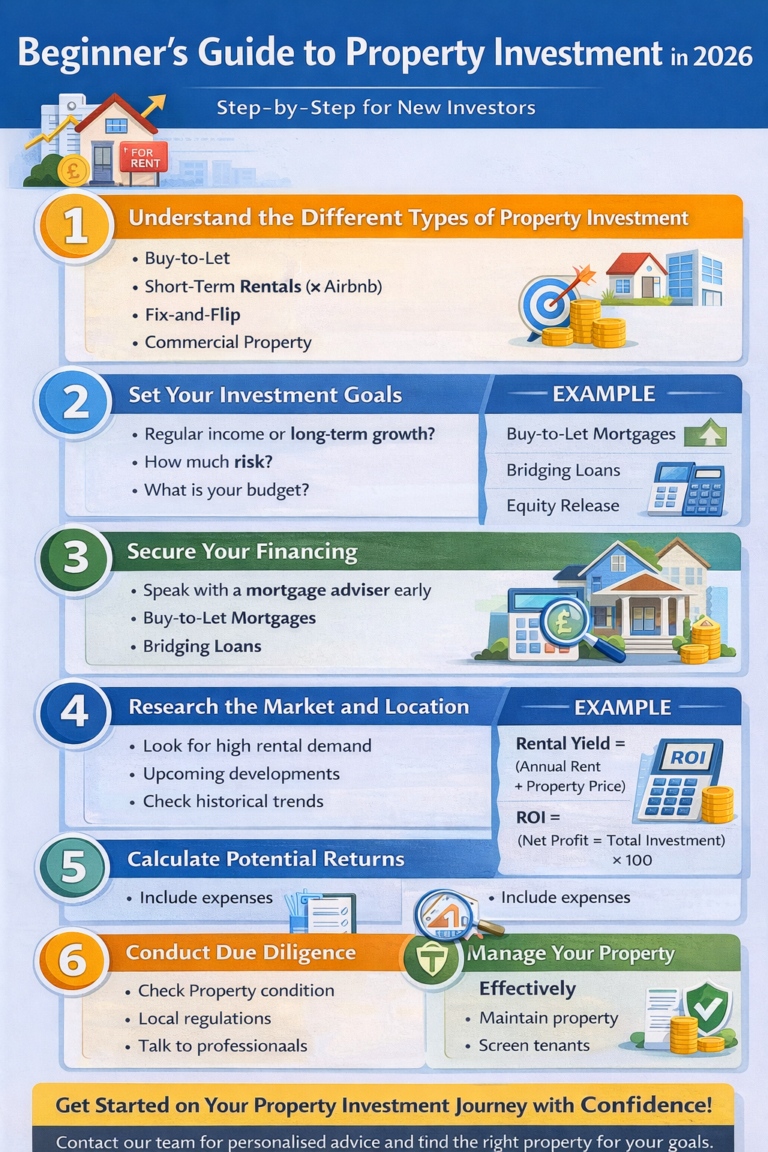
When investing in property, two of the most important metrics you’ll hear are yield and capital growth. Understanding these concepts is key to making smart investment decisions, evaluating potential properties, and maximising your returns.
This guide breaks down both metrics in simple terms, explains how they are calculated, and shows how they can influence your investment strategy.

What Is Yield?
Yield is a measure of the income your property generates compared to its value. For most investors, this comes from rental income.
Gross Rental Yield is calculated as:Gross Rental Yield (%)=Property PriceAnnual Rent×100
Example:
- Property Price: £200,000
- Annual Rent: £12,000
Gross Rental Yield=200,00012,000×100=6%
Net Yield is more accurate because it accounts for expenses such as:
- Mortgage payments
- Maintenance and repairs
- Management fees
- Insurance
Why Yield Matters:
- A higher yield typically means better cash flow.
- Ideal for investors looking for regular income rather than long-term growth.
What Is Capital Growth?
Capital growth is the increase in the value of your property over time. Unlike yield, it is not about income—it’s about the property becoming more valuable.
Capital Growth Formula:Capital Growth (%)=Purchase PriceCurrent Property Value – Purchase Price×100
Example:
- Purchase Price: £200,000
- Current Value After 5 Years: £250,000
Capital Growth=200,000250,000−200,000×100=25%
Why Capital Growth Matters:
- Ideal for investors aiming for long-term wealth accumulation.
- Can compound significantly over time, especially in high-demand areas.
Yield vs Capital Growth – Which Should You Focus On?
- High Yield: Great for investors wanting steady rental income. Often seen in areas with lower property prices and strong rental demand.
- High Capital Growth: Better for investors seeking long-term appreciation. Often found in areas with rising property values and infrastructure developments.
Many successful investors aim for a balance between yield and capital growth, depending on their goals and risk tolerance.
How to Use These Metrics Together
- Compare properties: Don’t just look at the price—consider the expected rental yield and potential capital growth.
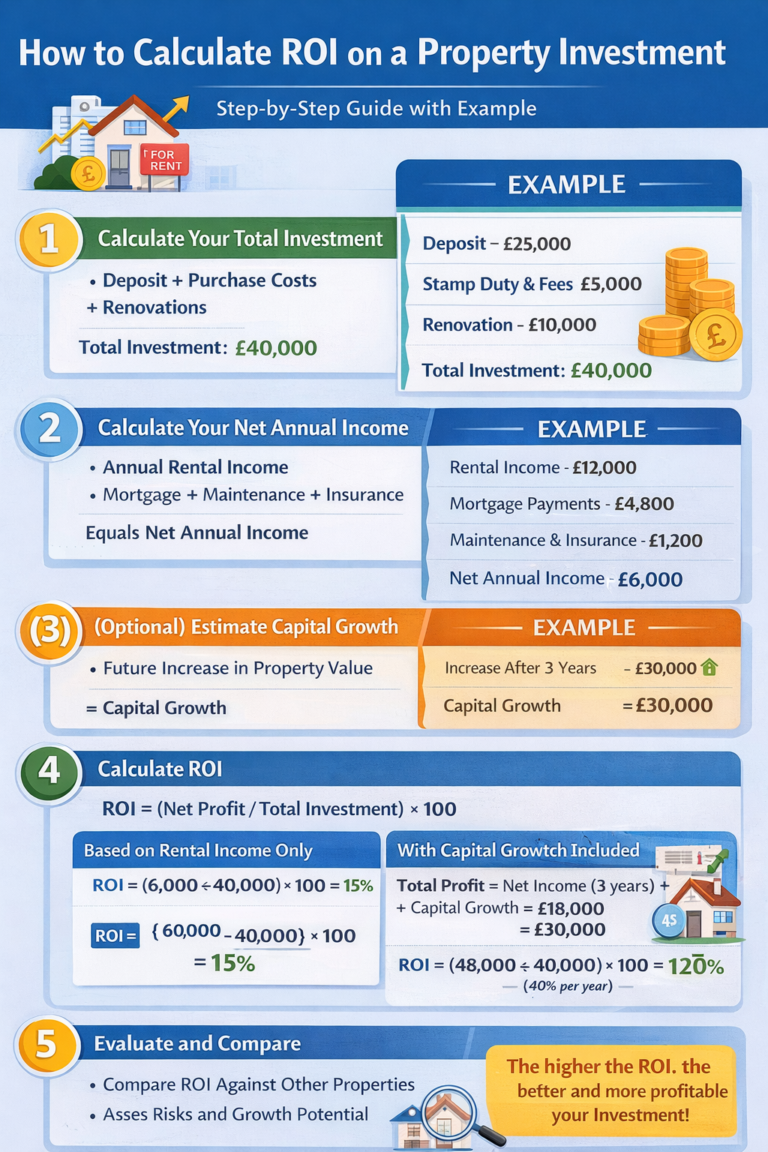
- Calculate total returns: Combine rental income (yield) with property appreciation (capital growth) to understand overall profitability.
- Set realistic expectations: Yield and growth vary by location, property type, and market conditions, so always base decisions on research.
Example:
- Property A: 6% yield, 3% annual capital growth → better for steady income
- Property B: 3% yield, 7% annual capital growth → better for long-term profit
Final Thoughts
Yield and capital growth are the backbone of property investment analysis. By understanding and calculating these metrics, you can:
- Identify profitable opportunities
- Make informed investment decisions
- Align your strategy with your financial goals
Ready to start your property investment journey or explore properties with strong yield and growth potential? Contact our team for expert advice and personalised guidance.